In the early 1990s Pizza Hut was on the edge of bankruptcy, with three straight years of declining sales. The CEO of PepsiCo recruited Jeff Yapp as Vice President of Marketing for the $4 billion company. What he found was a brand that had lost its nerve and was trying to be something it was not.
The blimp that crashed
Under pressure, Pizza Hut had drifted from what made it Pizza Hut, hot, fresh, abundant pizza delivered with care, and started chasing competitors on price and spectacle. The signature of that era was Bigfoot Pizza, a massive rectangular pie launched with bold ads, national buzz, and an actual Bigfoot blimp flying across the country. The stores were not equipped to make the product well, operations could not keep up, and eventually the blimp crashed. It became the perfect metaphor for the whole strategy: a company making promises its operations could not keep.
Fix the foundation before you spend a dollar on marketing
Jeff refused to answer hype with more hype. Before launching anything, he asked a blunt question: can we actually deliver what we are selling? At the time, phones at many locations rang 16 times before anyone answered, and deliveries showed up cold and late. He pushed hard on operations even as the CEO wondered why the marketing chief was not focused on big promotions. His logic was simple. Get the basics right first, hot food, answered phones, reliable delivery, or marketing just speeds up the failure.
Compete with data, not noise
Pizza Hut had been pouring millions into blanket couponing and dollar-pizza offers, chasing Little Caesars and Domino's into a race to the bottom. Jeff shifted to targeted, data-driven marketing, working with an early ecommerce expert to map trade areas and build one of the largest customer databases in the industry, more than 40 million names. When a competitor surfaced in a specific market, the brand could defend that territory quietly and surgically instead of discounting everywhere at once. That program also slashed promotional expense by $13 million.
Stuffed Crust, and eating pizza backwards
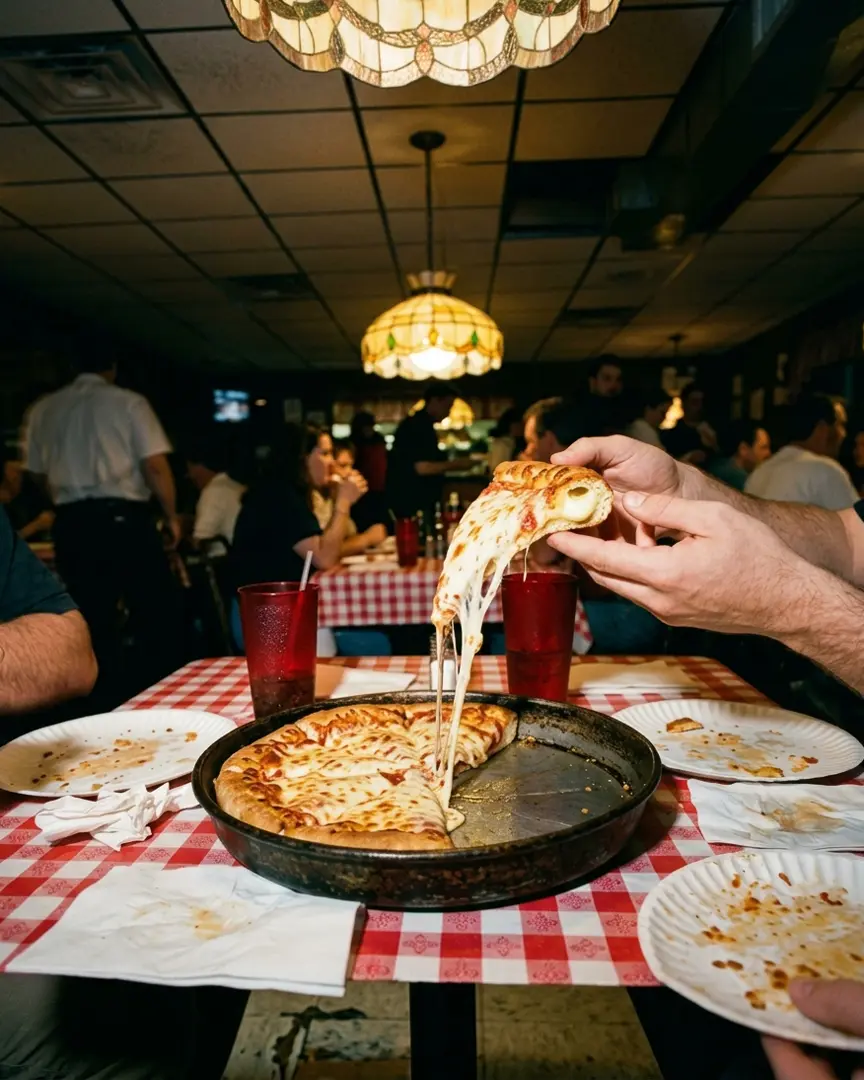
With the foundation steady, Jeff returned to what Pizza Hut actually stood for, abundance, and innovated from there. The breakthrough came from a simple question. What if the crust, the part most people leave on the plate, was the best bite of all? The early tests were a mess, cheese melting, crusts collapsing, but the team kept refining until it worked both in the oven and in the culture. Stuffed Crust Pizza turned eating a slice backwards into a national moment and became one of the most iconic product innovations in the history of fast food, a product that literally entered the language. To this day Jeff's kids tell people their dad came up with Stuffed Crust, a legacy they are prouder of than any title he has held.
The takeaway
Pizza Hut's turnaround did not come from one big campaign or one clever product. It came from alignment, strong operations, data-backed strategy, and a return to the brand's real promise. The lesson Jeff draws is the one he still leads with. When the pressure is on, do not chase noise. Get clear on what you can deliver, how you show up, and what you stand for, then build from there.